



The Role of Social Media in Modern Sports Fandom
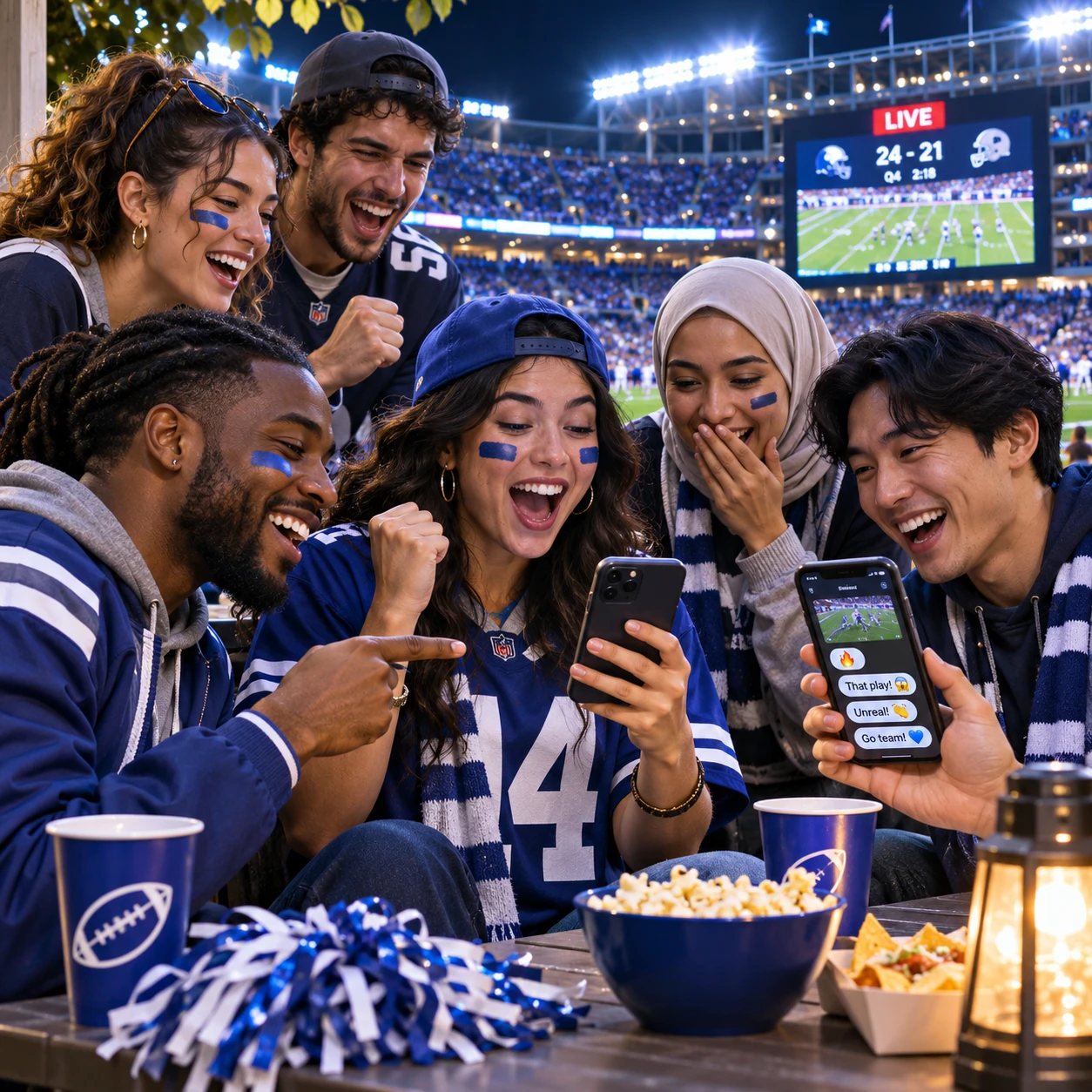
For many fans, following a team no longer begins at kickoff and ends with the final whistle. Social media platforms keep sports fandom active throughout the week, connecting supporters to live updates, athlete posts, fan-made content, and conversations that move quickly from one game to the next.
That access can make sports feel more immediate and communal. It can also blur the line between confirmed news, opinion, and promotion—especially when sports betting enters the conversation. Understanding both sides helps fans enjoy the connection without treating every post as reliable information or every game as an invitation to wager.
How Social Media Changed the Fan Experience
Social media changed sports fandom by giving fans ways to follow teams and connect with other supporters beyond match day. Platforms extend coverage between games, making news, discussion, and user-generated content part of everyday fan life.
Traditional broadcasts still offer the game itself, expert analysis, and carefully produced highlights. Social platforms add a faster, more personal layer: fans can follow a club’s account, see a player’s training update, or join a conversation about a lineup while waiting for the next fixture. A supporter living far from a home stadium can still feel involved through online fan communities and local watch-party posts.
The experience is also more participatory. Fans create memes, reaction videos, tactical breakdowns, and tribute posts, rather than relying only on broadcasters and sports journalists to shape the discussion. That wider mix of voices can surface perspectives that a standard broadcast misses. The trade-off is that content quality varies, and popularity does not prove accuracy.
Social media does not replace every part of being a fan. It cannot replicate the sound of a crowd or the shared tension of watching in person. Instead, it adds more touchpoints, with fans choosing how much of the sport they want in their daily feed.
Real-Time Updates and Fan Conversation
Social media supports real-time sports coverage through live scores, breaking updates, highlights, and fan commentary. During a game, supporters can follow several perspectives at once, though speed can come at the cost of context or verification.
Team and league accounts may post confirmed score changes, substitutions, and official clips. Broadcasters and reporters add analysis, while fans supply immediate reactions from the stands or their living rooms. A close call can prompt a flood of posts before a replay or referee explanation settles what happened. That makes live conversation energetic, but also easy to misread.
A useful habit is to separate three kinds of posts:
- Confirmed updates: statements from a team, league, venue, or established news outlet.
- Interpretation: commentary about tactics, officiating, or a player’s performance.
- Unverified claims: rumors, cropped clips, or screenshots without a clear source.
Highlights make big moments easy to revisit and share, but a short clip may leave out what happened before or after the play. For a fuller picture, check the complete broadcast or compare coverage from credible sources. Real-time discussion works best as a companion to live sports coverage, not as its only source.
Teams, Athletes, and Direct Fan Connection
Social media gives athletes and teams direct channels to communicate with fans. Official accounts can share news and behind-the-scenes content, making the people and routines around a sport feel more accessible.
A club might post a training-ground video, explain a community initiative, or announce a roster change. An athlete may share a recovery update or a moment from daily life. These posts can help fans understand the work behind a performance and follow a team beyond the results. They also give organizations a way to address supporters in their own words, rather than only through media coverage.
Still, a social account is a curated channel. A polished behind-the-scenes video may offer a glimpse, not a complete view of a team’s internal life. Posts can be scheduled, edited, or produced with sponsors. Fans should treat them as communication from a particular source, not as an unfiltered account of everything happening.
Direct access also raises expectations. Athletes and team staff can receive instant feedback, including supportive messages and abusive ones. Following official accounts is one practical way to get primary announcements, while keeping a healthy distance from the idea that every post reveals the full story.
Online Communities and Fan Identity
Online fan communities help supporters share interests, develop traditions, and express team identity. Group chats, forums, and social platform groups can make fans feel connected, but rivalries and group pressure can also make discussions hostile.
Some communities focus on a particular team or league; others gather around a sport, a player, a fantasy competition, or a shared local connection. Fans trade memories, discuss tactics, celebrate wins, and commiserate after losses. A supporter who rarely meets other fans in person may find a regular community in a match thread or a moderated group.
These spaces also shape the language of fandom. Inside jokes, chants, memes, and rituals can become part of how a group recognizes itself. That sense of belonging is strongest when members can disagree without turning criticism into personal attacks. Rivalry can add fun to a conversation, but demeaning other fans or targeting players crosses a different line.
When joining a group, look at its moderation and norms. Communities with clear rules and active moderators are generally better equipped to remove harassment and slow the spread of rumors. If a discussion becomes abusive or makes following the sport stressful, muting, leaving, or reporting is a reasonable choice.
Social Media’s Link to Sports Betting
Social media can shape interest in sports betting by exposing fans to injury updates, lineup news, public opinion, and betting promotions. These posts may prompt questions, but they are not automatically reliable guidance or a reason to place a wager.
For example, a confirmed team announcement may affect how fans discuss a matchup. A viral prediction, however, could be entertainment, personal opinion, or marketing. A large number of likes does not show that a claim has been checked, and a confident tipster cannot guarantee an outcome. Even accurate information rarely removes the uncertainty built into sports.
Keep a clear distinction between sports discussion and betting decisions. Check whether a post comes from an official source, whether it is current, and whether it discloses a commercial interest. Be especially cautious of claims that promise sure wins, demand immediate action, or present selective past results as proof.
Sports betting is optional; it is not a requirement for being a real fan. If you choose to bet, use only legal, regulated services where you live, check the applicable age requirements, and treat it as paid entertainment rather than a way to earn income. Social feeds can make betting appear constant or socially expected, but a fan can enjoy every part of the sport without wagering.
Risks and Responsible Engagement
Responsible social media use means checking information, protecting privacy, setting boundaries around screen time, and avoiding harassment. When sports betting is involved, it also means setting limits and seeking support if gambling stops feeling manageable.
Fast-moving feeds can spread misinformation, including false injury reports, edited footage, fake accounts, and misleading betting claims. Before sharing a consequential post, check the original source, date, and full context. Compare it with an official team or league announcement or reporting from established outlets. If a post provides no verifiable source, wait rather than amplifying it.
Online harassment is another real cost of constant access. Fans may direct abuse at athletes, officials, or other supporters, particularly after a controversial result. Do not repost threats or personal information; use platform reporting tools, block abusive accounts, and keep disagreement focused on actions and performances.
Privacy and time deserve attention too. Avoid sharing someone else’s location or private details without consent, and consider turning off nonessential match notifications if they interrupt work, sleep, or time with others. Following a game should add enjoyment, not make every moment feel like a live debate.
For betting, set a budget and time limit in advance, never chase losses, and do not use money needed for bills or essentials. If you cannot stick to your limits, stop and contact a recognized gambling support service in your region. Rules and support options differ by location, so use local official resources. Responsible gambling includes choosing not to bet.