

The Evolution of Sports Broadcasting: From TV to Twitch
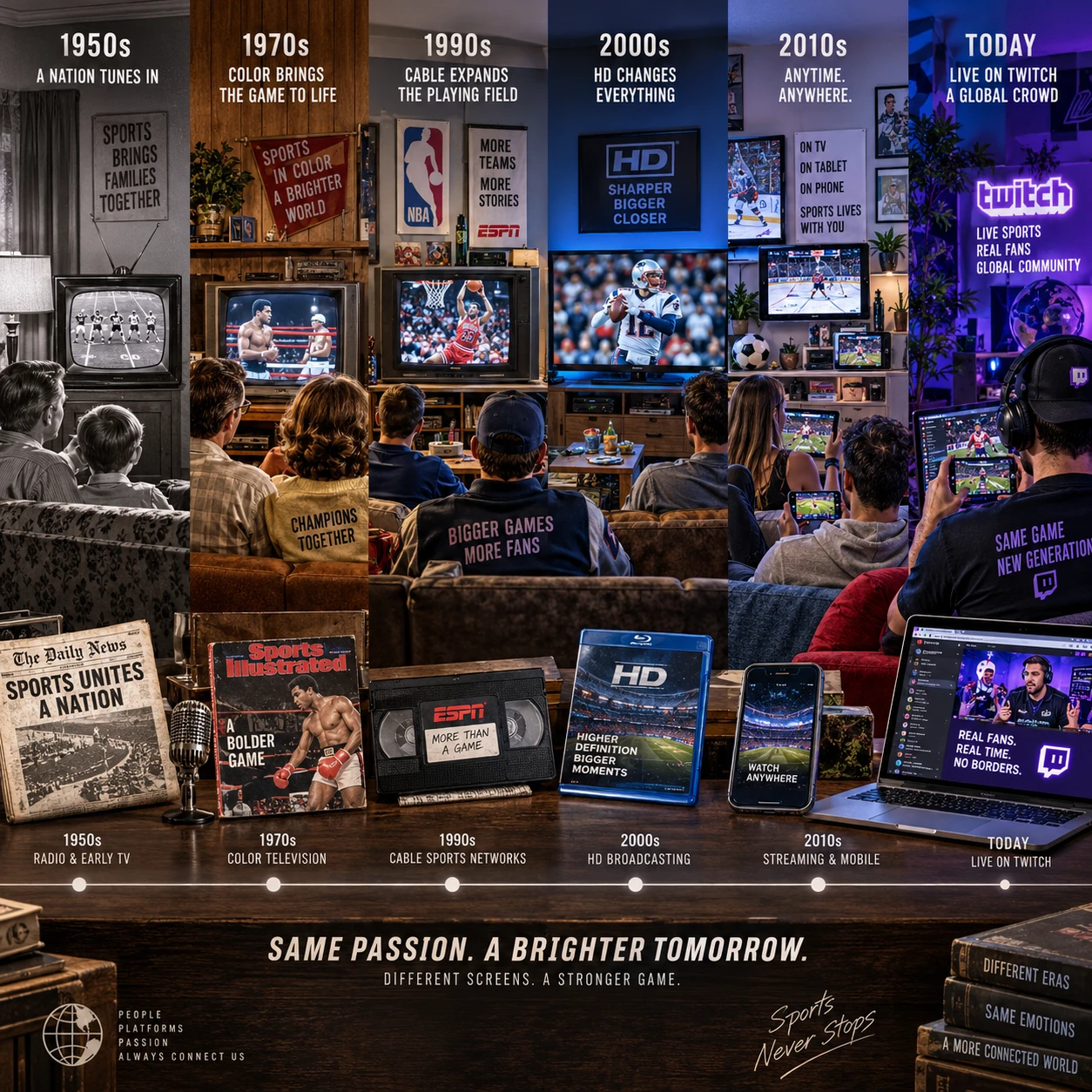
Sports broadcasting has changed from a scheduled television event into an online experience that can follow fans across screens. Television still delivers many major games, but live streaming and platforms such as Twitch have added new ways to watch, discuss, and engage with sports.
For sports betting viewers, that shift can make it easier to follow live action while checking scores or joining real-time conversation. It does not guarantee faster information or better betting outcomes: streams can have delays, and access depends on sport, region, and sports rights.
The era of scheduled television broadcasts
Television broadcasting made live sports a shared, mainstream experience by bringing major events into homes at a set time. For many fans, the TV schedule became the sports schedule.
Before online video, watching a game generally meant tuning in to a local station or a national network carrying the event. Broadcasters set the start time, chose which games to show, and shaped the viewing experience with commentators, replays, and studio coverage. A television audience could be spread across a country, yet millions of people might follow the same moments at once.
This model helped turn sporting events into communal occasions. Families and friends gathered around one screen, while highlights and next-day reporting carried the conversation beyond the final whistle. The trade-off was choice: viewers had limited control over what was available, and missing a broadcast could mean missing the game.
Scheduled TV offered reliability and shared attention, but it depended on a broadcaster’s lineup and a fixed viewing location. That arrangement remained influential even as cable and satellite expanded the number of channels.
Cable, satellite, and the expansion of sports coverage
Cable and satellite television expanded sports coverage by adding channels devoted to more leagues, events, and analysis. Fans gained more choice, although access increasingly depended on subscriptions and broadcast rights.
With more channels, broadcasters could show games that might not have fit into a general network schedule. Specialized sports networks offered live events alongside news, interviews, highlights, and commentary. Satellite distribution also helped carry coverage across larger areas, while pay-TV packages bundled channels for subscribers.
This was a major change in availability, but not necessarily in convenience. A fan might need several channel packages to follow different competitions, and a game could still be unavailable in a particular location because of rights arrangements. Sports rights determine who can show an event, where it can be shown, and through which service. Those agreements continue to shape both television and streaming.
The cable era also trained audiences to expect more than a single weekly broadcast. Yet viewers still watched through a provider’s schedule and interface. The next shift changed the delivery method itself: sports video began traveling over the internet.
The shift to online streaming
Online streaming delivers sports over the internet, allowing fans to watch on connected televisions, computers, tablets, and phones. It gives viewers more flexibility, but the experience depends on internet quality, device support, and rights availability.
Streaming platforms changed where fans could watch. Instead of relying only on a cable box, viewers could use an app or website, sometimes on the go. Some services offer live events, replays, highlights, or subscription packages, but the exact lineup varies by platform and location. A stream’s availability should always be checked with the rights holder or provider.
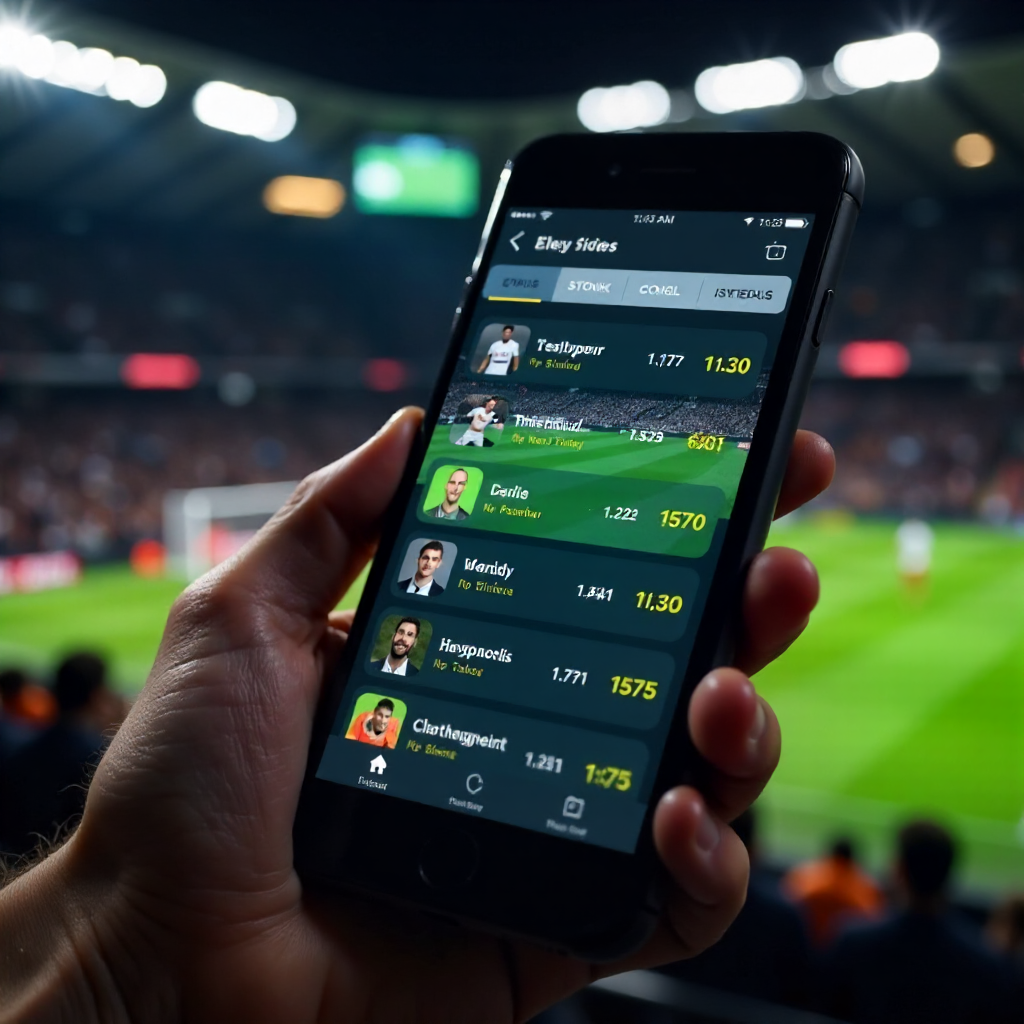
Internet delivery also made the second-screen experience more common. A viewer might watch a game on a television while following statistics on a phone, or switch between a live feed and a discussion app. For sports betting audiences, that can mean keeping a broadcast, a score source, and a betting interface open at once. It can also split attention, and data feeds or video may not update at the same speed.
Streaming is flexible, not automatically instant. Buffering, device limits, subscription costs, and broadcast delays can all affect a live viewing session. Those limitations matter most when fans expect a stream to match real-time action.
Twitch and the rise of interactive sports viewing
Twitch brings a more interactive style of sports viewing through live video, creator-led commentary, and chat. Depending on rights and programming, fans may find sports-related streams, but availability of a particular live event is not guaranteed.
Unlike a conventional television broadcast, a Twitch stream can make the host part of the experience. Creators may explain tactics, react to key moments, answer questions, or build a community around a team or sport. The chat lets viewers respond in real time, giving fan engagement a visible, social layer that a standard broadcast usually lacks.
That interaction comes with trade-offs. Chat can be lively, but it can also move quickly, include spoilers, or become difficult to follow. Creator commentary may offer a distinctive perspective, yet it is not the same as an official broadcast and may not provide the same camera coverage or production resources. Viewers should also distinguish licensed coverage from commentary, watch parties, or other sports-related content.
Twitch’s appeal is participation: fans can feel closer to a host and a community rather than simply receiving a polished feed. For some viewers, that is a welcome companion to an official broadcast; for others, the chat and creator format are distractions.
What the shift means for sports betting viewers
For sports betting viewers, streaming and interactive platforms can make it easier to follow a game alongside scores, statistics, and discussion. They do not improve the odds of a bet or ensure that a viewer sees information before a market changes.
Watching live sports while using a second screen is now familiar, but timing deserves care. A video stream may lag behind the action, and a social chat or third-party score feed can have its own delay. Live betting markets also change quickly, so a broadcast should not be treated as a real-time data guarantee.
A practical viewing setup is to check the event’s official availability, test the stream before kickoff, and use a trusted source for scores and market details. Keep in mind that the stream, statistics, and betting interface may not be synchronized. Avoid making rushed decisions based on a chat message or a momentary impression.
There is also a focus trade-off. Multiple screens can make it easier to track different information, but switching between them may pull attention away from the game. Betting should remain within personal limits, and no viewing format can remove the uncertainty of sports outcomes.
The future of watching live sports
The future of live sports viewing will likely combine television and streaming rather than replace one with the other. Broadcasters, streaming platforms, and creators serve different preferences, while sports rights continue to determine where events can be watched.
Television remains a familiar choice for fans who value a straightforward, shared broadcast on a large screen. Streaming suits viewers who want device flexibility or access to digital features. Creator-led coverage can add conversation and personality, particularly when it complements rather than substitutes for an official feed.
As platforms develop, viewers may see more options for alternate commentary, interactive features, and personalized coverage. Those features still depend on licensing, local availability, and the platform’s design. More choice can also mean more subscriptions and a less simple search for where a game is airing.
The key change is that audiences now have more ways to participate in sports viewing. The right option depends on whether a fan values production, convenience, interaction, or broad access most, and on what is legally available in their region.
Frequently asked questions
How is sports streaming different from traditional TV broadcasting?
Traditional TV sends a scheduled broadcast through a television network or pay-TV provider. Sports streaming delivers video over the internet to supported devices, often with more flexibility but with possible buffering, delay, and platform or rights restrictions.
Why do some sports fans watch streams on Twitch?
Some fans enjoy Twitch’s creator-led commentary and interactive chat. The platform can make viewing feel social, though chat and creator content may not provide the same coverage or production as an official sports broadcast.
Can viewers watch live sports on Twitch?
Some live sports programming may be available on Twitch, but viewers should not assume a particular game is there. Access depends on the sport, region, rights holder, and the specific stream.
How has streaming changed the sports betting viewing experience?
Streaming has made it easier to watch on one device while checking scores or other information on another. Delays and unsynchronized feeds remain possible, and streaming does not improve betting results or remove the risks of wagering.