
Top 10 Most Thrilling eSports Tournaments to Watch Live
eSports has grown from basement LAN parties into sold-out arenas and peak viewership numbers that rival traditional sports broadcasts. Whether you're a lifelong gamer or just curious what all the noise is about, there has never been a better time to experience competitive gaming — live or from your couch. The question is: which tournaments are actually worth your time?
What Makes an eSports Tournament Worth Watching Live
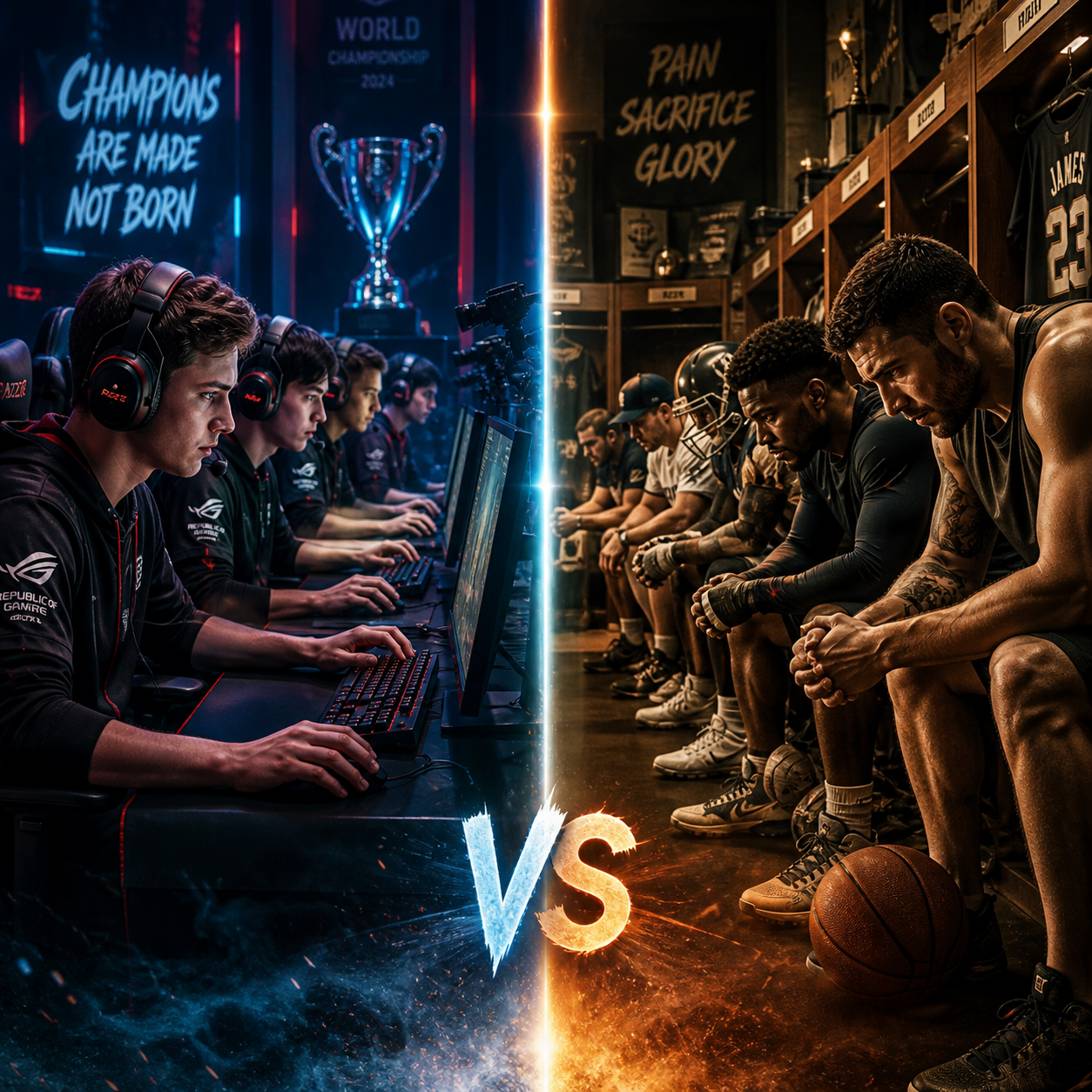
The best eSports tournaments combine four elements: massive prize pools that raise the stakes, compelling formats that build narrative tension, production quality that matches or exceeds traditional sports broadcasting, and raw crowd energy that turns individual matches into shared moments.
Prize money matters because it signals how seriously the industry treats the event — and how intensely players compete. But prize pools alone don't create spectacle. Format design plays just as big a role. Double-elimination brackets, group stages followed by knockout rounds, and best-of-five series all manufacture comeback stories and pressure moments that keep audiences locked in.
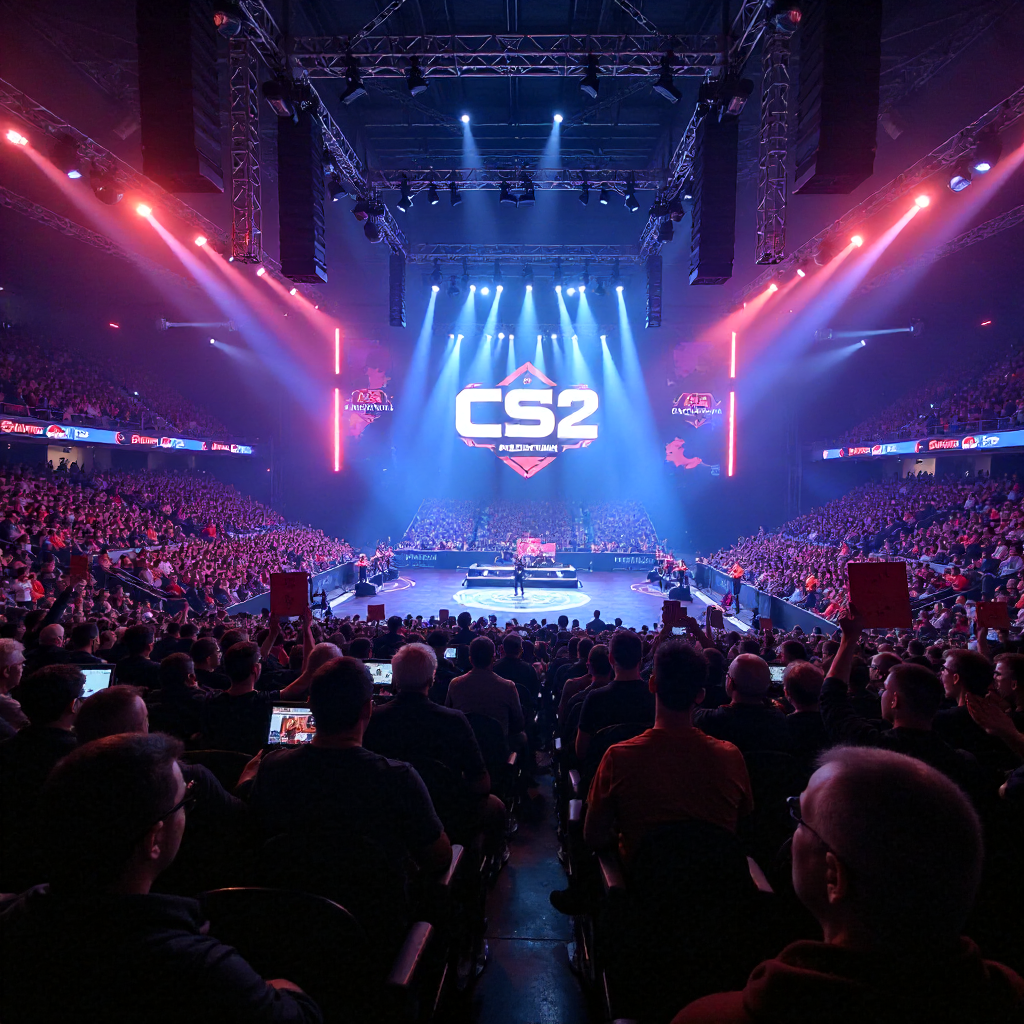
Then there's the live audience experience. eSports arenas have evolved into genuine entertainment venues — synchronized light shows, live DJ sets between matches, merchandise queues, and meet-and-greet opportunities with pro players. For online viewers, production studios now deploy broadcast talent, analyst desks, and cinematic replay packages that match what you'd expect from a major sports network.
The final ingredient is familiarity with the title being played. You don't need to be an expert, but tournaments featuring games with strong spectator tools — clear kill feeds, in-game cameras, and commentators who translate the action — are far more accessible to newcomers.
The Pinnacle Events — Where Legends Are Made
A handful of eSports tournaments have reached a level of prestige where simply qualifying is considered a career achievement. These events define competitive gaming seasons.
The International (Dota 2)
The International is the annual world championship for Dota 2, organized by Valve, and it has produced the largest prize pools in eSports history — at one point surpassing $40 million through its crowdfunding model. The crowd-funded prize pool system, where fans purchase in-game battle passes and a portion goes directly to the prize fund, created a unique bond between the community and the event's scale.
Watching The International live means witnessing matches where a single team fight can swing millions of dollars. The tension inside the arena during late-game team fights is unlike anything else in competitive gaming — expect the crowd to erupt at moments that would look routine to the uninitiated but carry enormous strategic weight.
League of Legends World Championship
Riot Games' League of Legends World Championship (commonly called "Worlds") is arguably the most-watched annual eSports event globally. Peak viewership regularly exceeds tens of millions of concurrent viewers across all platforms. What sets Worlds apart is its theatrical production — opening ceremonies have featured live musical performances, holographic displays, and elaborate set pieces that rival major music festivals.
The regional rivalry narrative runs deep here. Teams from Korea, China, Europe, and North America have fiercely contested the Summoner's Cup for over a decade, creating storylines that span multiple years and generations of players.
CS2 Major Championships
Counter-Strike has been a cornerstone of competitive gaming since the early 2000s, and the CS2 Major Championships — sanctioned by Valve and hosted by third-party tournament organizers — carry the weight of that history. The format runs over several weeks, with a qualification system that rewards consistency alongside peak performance.
What makes CS2 Majors uniquely tense is the nature of the game itself: tactical, slow-burn rounds punctuated by explosive mechanical moments. A clutch 1-vs-4 round in a knife-edge map can define a team's legacy. The live crowd at a CS2 Major is notoriously passionate and knowledgeable — they'll react to positioning mistakes with groans as readily as they'll erupt for highlight plays.
Rising Stars — Tournaments That Are Rapidly Growing in Hype
Several newer events have built passionate audiences quickly and now sit just below the crown jewels in terms of spectacle and viewership. Ignoring them would mean missing some of the freshest energy in competitive gaming.
Valorant Champions
Valorant Champions is the annual world championship for Riot Games' tactical shooter Valorant, and its growth has been remarkable. Launched in 2020, Valorant built a structured competitive ecosystem rapidly — the Champions event now draws peak viewership figures that took other titles years to achieve.
Part of its appeal is accessibility. Valorant's agents, abilities, and round structure are designed to be readable for viewers who haven't played the game. Riot's broadcast team has also imported the production polish from their League of Legends infrastructure, meaning the show around the matches is consistently high quality.
BLAST Premier
BLAST Premier has carved out a distinct identity in the CS2 calendar by prioritizing entertainment value alongside competitive integrity. The event format includes unique segments, player-access content, and a fan-first broadcast approach that makes it feel different from a standard tournament broadcast. The World Final brings together the best teams from across the year in a format designed to produce maximum drama late in the bracket.
Fighting Games and Beyond — eSports Thrills Outside the Mainstream
Some of the most electric live eSports moments happen outside the biggest titles. Genre diversity is one of competitive gaming's genuine strengths, and several events prove it convincingly.
EVO Championship Series
The EVO Championship Series is the premier fighting game tournament in the world, covering titles like Street Fighter, Tekken, Mortal Kombat, and more. What makes EVO genuinely special as a live event is its grassroots atmosphere. Unlike corporate-produced team tournaments, EVO feels like a gathering of a community — thousands of individual competitors, casual side tournaments running around the clock, and a crowd that cheers for both technical execution and personality.
The open bracket format means an unknown player can theoretically defeat a world champion. That possibility is always present, and the crowd responds accordingly. EVO moments — the miraculous comeback, the read that defies explanation — have become cultural touchstones in gaming history. You can learn more about the event's legacy on the EVO Wikipedia page.
Rocket League Championship Series
The Rocket League Championship Series deserves more attention than it typically gets outside the game's community. Rocket League — essentially soccer played with rocket-powered cars — translates better to live audiences than almost any other eSport. The objective is immediately obvious, the action is constant, and aerial goals produce the kind of spontaneous crowd reactions that most other titles struggle to generate consistently.
Mobile eSports: PUBG Mobile and Mobile Legends
Mobile eSports tournaments, particularly in Southeast Asia and South Asia, fill arenas and draw viewership numbers that dwarf many PC titles in their regions. The PUBG Mobile Global Championship and Mobile Legends Bang Bang World Championship represent a segment of competitive gaming that Western audiences often underestimate — but globally, they rank among the most-watched events of the year.
The Live Experience vs. Watching Online — Which Is Right for You?
Attending an eSports tournament in person and watching via live stream are genuinely different experiences, each with real advantages depending on what you're after.
In-person attendance gives you atmosphere that no broadcast can replicate. The synchronized crowd reactions, the physical presence of players you've watched on screen, and the side events — community tournaments, merchandise halls, player meet-and-greets — create a festival-like environment. Tickets for major events like Worlds or The International can sell out quickly, so monitoring official tournament websites and regional resellers early is essential.
The trade-off is visibility. Watching a match from the stands often means you're looking at a large screen rather than the actual gameplay hardware. Broadcast viewers get better camera angles, real-time statistics, and expert analysis that enhances understanding of what's happening.
Online viewing is where most fans experience these tournaments, and the platforms have invested heavily in the experience. Twitch remains the dominant platform for most eSports broadcasts, while YouTube Gaming hosts official streams for several major titles. Riot Games streams Worlds and Valorant Champions natively on their own platforms and apps. Some events also offer co-stream permissions, allowing popular content creators to add their own commentary over official feeds — which can make tournaments far more accessible for newcomers.
For the full picture on how live streaming culture intersects with sports entertainment, the eSports Wikipedia entry covers the broadcast ecosystem in depth.
Tips for Getting the Most Out of Watching eSports Live
A few practical habits separate casual viewers from fans who get maximum value from every tournament they watch.
Follow the bracket before the event starts. Most major tournaments publish their group stage and bracket structures in advance. Spending 15 minutes understanding which teams are competing and what's at stake transforms random matches into narratives you're already invested in.
- Watch with others when possible. Community watch parties — whether at a local bar, gaming café, or organized fan event — amplify every moment. The social dimension of watching sports is just as real for eSports.
- Use second-screen resources. Many games have companion apps or community wikis that explain mechanics in real time. A quick look at champion abilities before watching a Worlds match, for instance, makes the action significantly more readable.
- Explore the broadcast talent. Every major tournament has dedicated commentators and analysts. Finding a broadcast team whose style you enjoy is often the difference between a confusing watch and a gripping one.
- Set aside time for semifinals and finals. Grand finals for major events regularly run three to five hours. Blocking out that time prevents the frustration of having to step away mid-series.
- Don't ignore the pre-show. Analyst desk segments, player interviews, and pick/ban phases often contain the context that makes the match itself make sense — especially for tactical shooters and strategy games.
One overlooked tip: watch at least one match from a game you've never followed before committing to a full tournament. eSports genres vary enormously in their spectator experience, and a 30-minute exposure to a CS2 match versus a Dota 2 match will tell you quickly which format suits your viewing preferences.
Frequently Asked Questions
What is the biggest eSports tournament in the world by prize pool?
The International (Dota 2) has historically held the record for the largest prize pool in eSports, with community-funded totals that have exceeded $40 million. Valve's battle pass crowdfunding model, where a portion of sales goes directly into the prize fund, is responsible for these figures.
Can I attend eSports tournaments as a regular fan, and how do I get tickets?
Yes — most major eSports tournaments sell general admission and premium tickets to the public. Tickets are typically available through official tournament websites, with some events also using Ticketmaster or regional ticketing platforms. High-demand finals sell out quickly, so checking release dates in advance is important.
Which streaming platforms broadcast major eSports events live?
Twitch is the primary platform for most eSports broadcasts. YouTube Gaming hosts official streams for several titles including Call of Duty and some Riot Games events. Riot also streams through their own apps and websites. Some regional tournaments broadcast exclusively through local platforms in Asia.
Do I need to know the game to enjoy watching an eSports tournament live?
No. Many tournaments — particularly EVO, Rocket League Championship Series, and Valorant Champions — are designed to be accessible to viewers with no prior knowledge. The broadcast talent typically explains key moments, and the competitive structure is easy to follow even without understanding every game mechanic.
How long do major eSports tournaments typically last?
Most major tournaments run across multiple weekends, with group stages and bracket play spread over two to four weeks. Individual match days typically last four to eight hours. Grand finals for events like The International or Worlds can run a full day, with pre-show programming, multiple matches, and closing ceremonies combined.