




How to Build a Successful Sports Blog or YouTube Channel
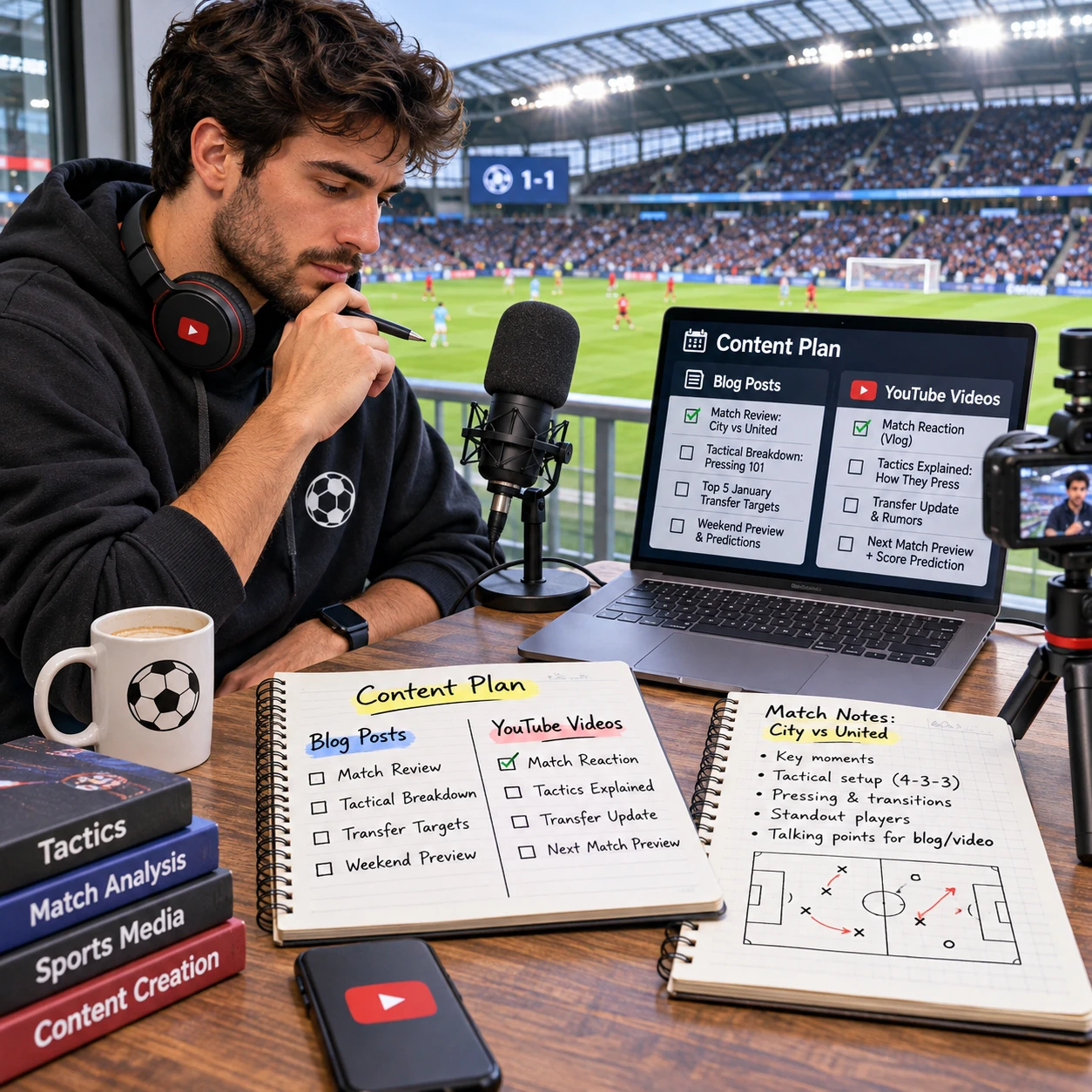
A successful sports blog or YouTube channel gives fans a clear reason to return: sharp analysis, useful explanations, or a distinctive point of view. Start by choosing a focused audience and a manageable format, then build a consistent content plan around what those fans actually want to know.
Sports coverage can also involve betting, which calls for extra care. Accuracy, transparent disclosures, and responsible-gambling messaging should shape the project from the start, not be added after an audience has grown.
Choose a sports niche and define your audience
Choose a sports niche by narrowing your coverage to a sport, league, team, or recurring fan need, then define who you want to serve. A specific focus makes your content easier to plan and helps the right readers or viewers recognize its value.
“Sports” is too broad for most new creators. Consider a niche such as women’s basketball, a local football club, injury updates in a particular league, or beginner-friendly match analysis. If you cover sports betting, be clear whether you explain odds and terminology, report on market movement, or publish opinion-led previews. Avoid implying that any betting content can guarantee a result.
Write a one-sentence audience description before choosing a name or logo. For example: “I help new fans understand the tactics and key storylines in Premier League matches.” Think about what this audience already knows, what questions it asks, and where it looks for coverage. A knowledgeable supporter may want detailed tactical analysis; a casual viewer may need a concise guide to the rules.
Use this simple filter for potential topics: interest, expertise, and repeatability. You should care enough to keep reporting, have a sound basis for explaining the subject, and be able to find fresh angles throughout a season. A narrow niche can limit the size of your audience, but it often makes your voice easier to distinguish.
Decide between a blog, YouTube channel, or both
A sports blog works well for searchable, detailed explanations, while a YouTube channel suits visual analysis and personality-led commentary. Choose the format you can produce consistently; add the second channel only when you have a practical way to repurpose your work.
Blogging gives you room for match reports, stat breakdowns, interviews, and guides that readers can scan or revisit. Search engines can surface these articles when they answer specific questions, though ranking takes time and depends on useful, well-organized content. Video can show formations, explain a play with diagrams, and build familiarity with your voice. It also requires recording, editing, captions, and strong packaging through titles and thumbnails.
Compare the formats against your skills and schedule:
- Choose a blog if you enjoy research and writing, or need space for sources, context, and detailed analysis.
- Choose YouTube if you communicate naturally on camera or can make clear, engaging visual breakdowns.
- Use both if one core piece can serve both formats, such as turning a written match preview into a concise video without simply duplicating it.
Test a single format for several weeks before expanding. One thoughtful weekly article or video is usually more sustainable than an ambitious daily schedule that collapses after a month. A combined strategy can broaden reach, but it also increases production and moderation work.
Build a content plan around what fans need
Build a content plan around recurring fan questions, key moments in the sports calendar, and formats you can repeat. A small set of dependable series makes publishing easier while giving your audience a reason to come back.
Start with a simple weekly rhythm. Around a major fixture, you might publish a preview, a short explainer on one tactical matchup, and a post-game analysis. During quieter periods, cover player development, league rules, historical context, or how to interpret commonly used statistics. Match analysis is strongest when it explains why an event matters, rather than repeating the score and headline.
Useful formats include:
- Match previews: identify key storylines, team news, and uncertainties without presenting a prediction as fact.
- Post-game analysis: explain tactical changes, decisive moments, and what the result does or does not show.
- Explainers: unpack rules, statistics, transfers, or betting terminology in plain language.
- Opinion pieces: make a clear argument and distinguish your interpretation from verified reporting.
- Audience Q&A: answer thoughtful questions and use recurring themes to shape future coverage.
Keep a running idea list organized by timing: evergreen topics, upcoming events, and timely reactions. This helps you avoid relying on last-minute opinions after every game. Leave room to respond to breaking news, but check facts before publishing; speed has little value if a correction damages trust.
Create credible, useful sports content
Credible sports content separates verified information from analysis, explains its reasoning, and corrects errors openly. In match analysis or betting coverage, readers should be able to see what is known, what is uncertain, and how you reached a conclusion.
Check team announcements, competition records, and original reporting before repeating claims. When you cite statistics, identify the measure and relevant timeframe; a player’s recent run may not represent a full season. For video, use graphics and footage only when you have the rights or permission to do so. Broadcast clips and music can create copyright problems even when commentary is original.
Sports betting content needs particular restraint. Odds express a price and implied probability, not certainty. If you discuss a pick, explain the assumptions, acknowledge uncertainty, and avoid claims such as “sure win” or “risk-free.” Never use a successful outcome as proof that a prediction method works. A transparent track record should include the full set of published selections and a clear method, not only memorable wins.
Before publishing, run a quick FACT check: verify the facts, account for uncertainty, clarify your reasoning, and tell the audience about relevant commercial interests. This small routine catches common problems, including stale injury news and undisclosed affiliate relationships. If a detail cannot be verified, qualify it or leave it out.
Improve discoverability and grow an audience
Grow a sports audience by making each piece easy to find, easy to understand, and worth discussing. Clear titles, useful structure, consistent publishing, and genuine interaction support discoverability better than chasing every trend.
For a sports blog, use a descriptive headline that reflects a real search, such as a question about a rule or a specific match-up. Put the main answer near the start, use headings to organize the analysis, and link readers to relevant sources where appropriate. Avoid stuffing a title with team and player names that the article barely discusses.
For YouTube, make the title specific and ensure the thumbnail accurately represents the video. A compelling promise can earn a click, but a misleading one may cost viewer trust. Tell people what they will learn in the opening, add captions, and remove long introductions that delay the analysis. Review audience-retention and search-query data as clues, not commands; one video’s performance does not prove a whole niche is unworkable.
Set a schedule you can keep and promote work where fans already gather, following each community’s rules. Reply to substantive comments, invite specific questions, and moderate abuse or harmful gambling claims. Meaningful engagement is more valuable than provoking arguments for short-term views. Early growth can be slow, so use a few months of publishing to assess what resonates rather than expecting immediate results.
Monetize responsibly and maintain trust
A sports blog or channel can earn revenue through advertising, sponsorships, memberships, merchandise, or affiliate partnerships, but each option has trade-offs. Disclose commercial relationships clearly and keep editorial judgments separate from payment.
Advertising and memberships may fit a broad fan audience, while merchandise works best when a community has a recognizable identity. Sponsorships and betting-related affiliate links can bring revenue, but they create a real conflict if recommendations appear independent when they are paid. State the relationship near the relevant content and explain whether a link may earn you a commission. Do not let a sponsor dictate an analysis presented as impartial.
Betting rules vary by location and platform. Before publishing promotions, affiliate links, or gambling-related material, check the applicable laws, platform policies, and advertising requirements with qualified local guidance. Use age restrictions where required, avoid targeting minors, and include responsible-gambling information. A suitable message can encourage adults to set limits, avoid chasing losses, and seek help if gambling is causing harm. The National Council on Problem Gambling provides information and support resources in the United States.
Trust is a long-term asset. If monetization would require exaggerated betting claims or coverage that does not serve your audience, it is a poor fit, even if it appears lucrative. Build revenue around the content’s genuine value and make the boundaries visible.
Frequently asked questions
Should I start a sports blog or a YouTube channel?
Start with the format that matches your strengths and available time. A blog suits detailed, searchable writing; YouTube suits visual explanation and on-camera commentary. You can add the other format after establishing a sustainable routine.
How often should I publish sports content?
Choose a schedule you can maintain without sacrificing research and accuracy. One strong weekly post or video is a sound starting point; increase frequency only when you can sustain the quality.
Can a sports blog or channel cover betting tips?
It can, subject to relevant laws, platform rules, and advertising requirements. Present analysis as uncertain, disclose paid relationships, avoid guaranteed-win language, and include responsible-gambling messaging.
How can I grow an audience for a new sports channel?
Focus on a specific audience, answer its questions, publish consistently, and package each piece clearly. Invite useful discussion and learn from search and engagement data, but do not trade accuracy for attention.