


eSports vs. Traditional Sports: Which Draws Bigger Crowds?
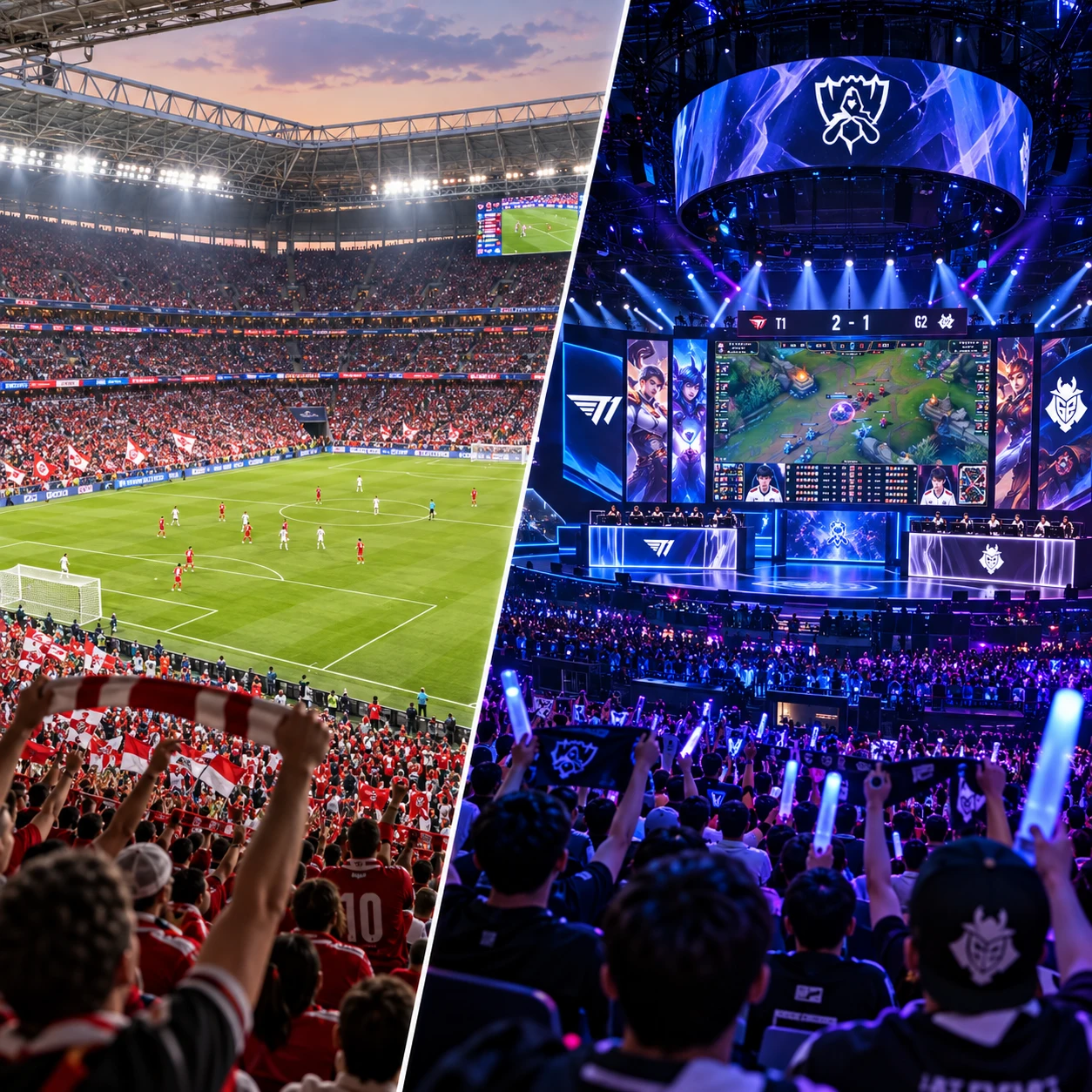
eSports and traditional sports can both command huge audiences, but the answer to which draws bigger crowds depends on what you count. A sold-out stadium, a tournament’s total online viewers, and the audience for a season-long league are different measures, so a single comparison can be misleading.
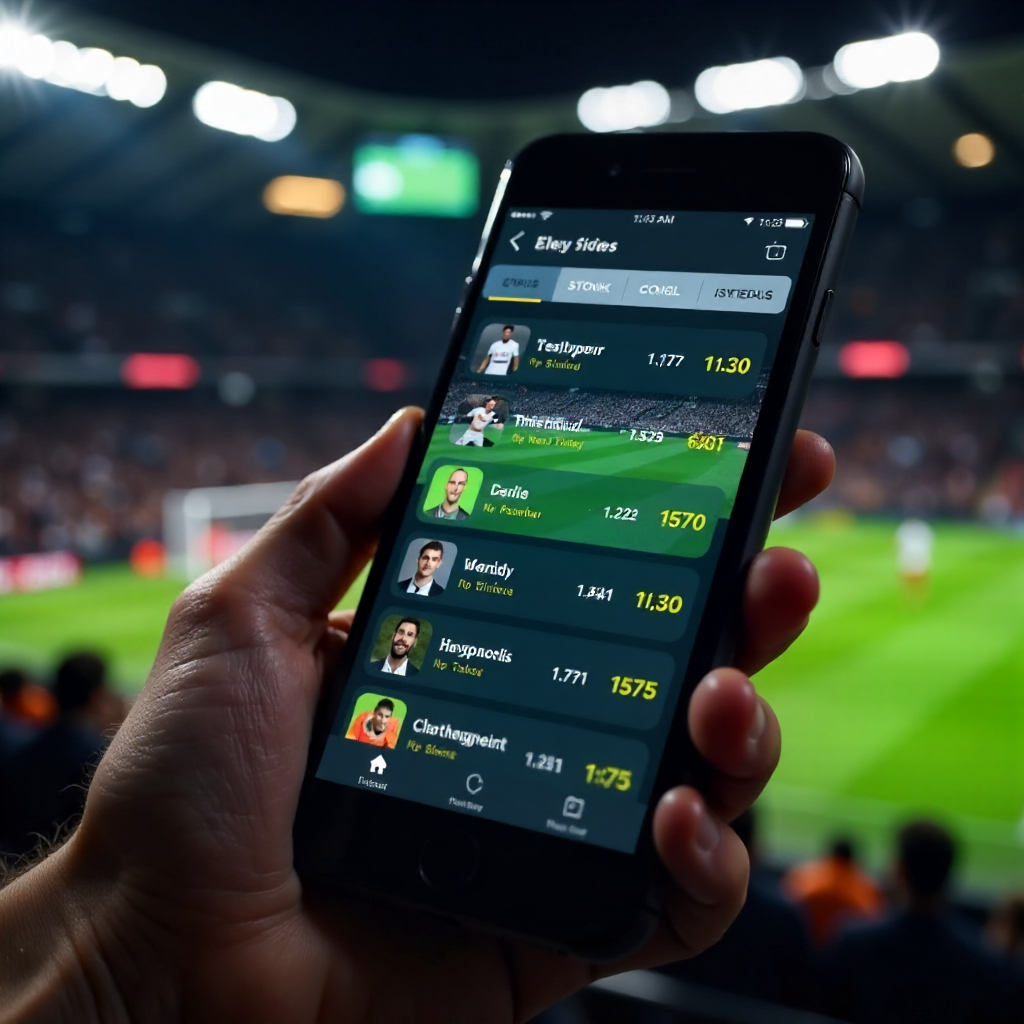
For fans, the useful question is more specific: which event attracts more people in person, which reaches more viewers online, and what does that visibility tell you about the competition? Those distinctions matter especially when considering sports betting markets, where popularity can affect coverage and availability but does not predict results.
What Counts as a “Crowd”?
A crowd can mean ticketed attendance at a venue or people watching through a broadcast or stream. These measures describe different kinds of reach and should not be combined without clear definitions.
Live attendance usually counts people entering a stadium or arena, often for a single match or across a multi-day event. Some organizers report total attendance over several days, while others report peak attendance or tickets sold. Those figures are not interchangeable: one fan attending three days may count three times in a daily total, but only once as a unique attendee.
Online viewership can refer to concurrent viewers at a particular moment, average viewers over a broadcast, or total people who watched at some point. A tournament may also stream on multiple platforms and in different languages. Unless the organizer explains how audiences were measured and combined, totals can be difficult to compare.
- Venue attendance: people physically present, usually counted by tickets or entries.
- Peak concurrent viewers: the highest number watching at the same time.
- Average concurrent viewers: the average live audience during a defined broadcast period.
- Cumulative reach: the number of viewers or viewing sessions reached over time, depending on the reporting method.
A fair comparison matches like with like. Compare stadium attendance with stadium attendance, or online audiences measured over similar periods. A championship final should not be casually compared with an entire sports season.
How eSports Events Attract Fans
eSports draw audiences through online communities, streaming platforms, and major tournaments that bring digital competition into live venues. Their strongest reach is often online, although marquee events can also fill arenas.
Games such as League of Legends, Counter-Strike, and Dota 2 support competitive scenes with professional teams, regular leagues, and championship events. Fans follow players and teams through streams, clips, social media, and community discussions. That relationship can keep an audience engaged between tournament days, even when viewers are spread across countries and time zones.
Streaming platforms make it easy to watch without traveling or buying a ticket. They also give esports tournaments a flexible format: viewers can follow a full match, switch between streams, or catch highlights later. The trade-off is that online reach can be hard to measure consistently. Platform totals may reflect different definitions, and a cumulative audience can include people who watched only briefly.
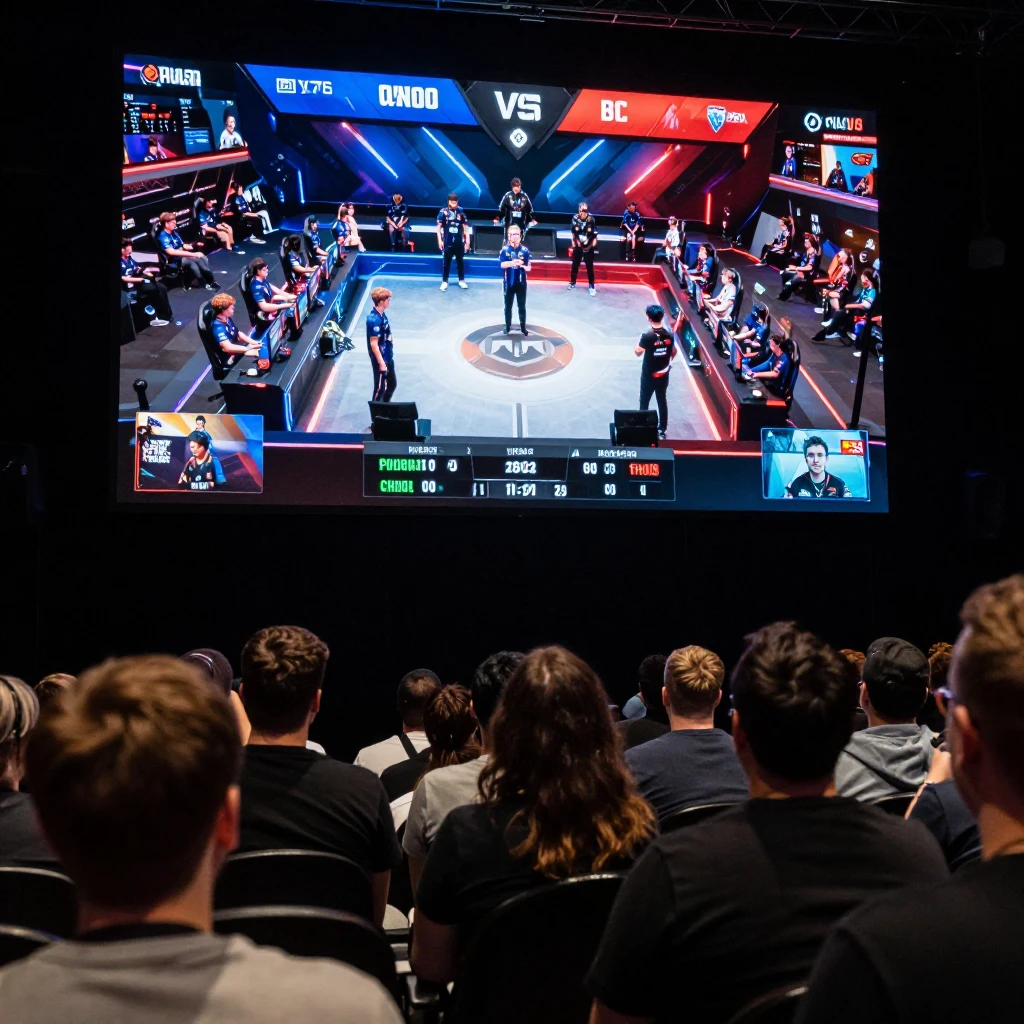
In-person events offer a different experience. Fans gather in stadiums and arenas for finals, fan activities, and the atmosphere of watching a match together. But venue capacity limits live attendance, and not every tournament has the scale or demand to sell out. A large online audience does not automatically mean a large physical crowd.
How Traditional Sports Draw Audiences
Traditional sports attract crowds through established leagues, recurring schedules, and regular stadium events. Their audiences can be measured across individual games, full seasons, and broadcasts.
Football, basketball, cricket, baseball, and other sports have long-running competitions that give fans repeated opportunities to attend and watch. A league schedule creates familiar rivalries and weekly viewing habits; local teams can also draw supporters to home games throughout a season. Major finals and international tournaments add occasional peaks, but everyday league fixtures are a core part of traditional sports’ reach.
Large stadiums give popular matches room for tens of thousands of spectators, while smaller venues may offer a more intimate setting. Attendance depends on the sport, venue size, location, opponent, ticket prices, and the importance of the match. A sold-out stadium is compelling evidence of demand for that event, but it does not represent every team or game in the sport.
Traditional sports also have established television and digital broadcast networks. These can reach audiences far beyond the stadium, including people watching live, following highlights, or tuning in through local and international broadcasters. As with esports, broadcast figures need context: a single game’s audience is different from a season’s accumulated reach.
Traditional sports benefit from decades of infrastructure and broad recognition, but that does not guarantee every league or fixture attracts a large crowd. Less prominent competitions may draw modest attendance, while a major esports final can command exceptional attention. Comparing the categories at their most popular can hide these differences.
Comparing Live Attendance and Viewership
There is no universal winner: traditional sports often have greater capacity for recurring stadium attendance, while esports can reach large online audiences through global streaming. The outcome changes with the event and the measurement used.
For live attendance, compare the same type of event over a similar time frame. A one-day final and a week-long tournament should not be judged by raw totals alone. Check whether the number refers to tickets sold, unique visitors, or daily entries. Venue capacity also matters: a smaller arena can sell out without approaching the headcount of a large stadium.
For online viewership, look for the reported metric and scope. A peak audience captures the biggest simultaneous moment; average concurrent viewers describe the broadcast’s typical live audience; cumulative reach may span an entire event. Language feeds and platform coverage can further complicate totals. Two organizers may report impressive figures that measure different things.
A practical comparison uses four questions:
- What is being counted? Tickets, unique people, streams, or viewing sessions?
- What period is covered? One match, a final, a tournament, or a season?
- Where was it measured? One venue, one platform, or multiple broadcasters?
- Is the comparison like for like? Similar event scale, format, and measurement?
Once those details are clear, the comparison becomes more useful. Traditional sports may lead in a particular stadium matchup, while an esports championship may reach more viewers online. Neither result establishes that one entire category always draws bigger crowds.
What Crowd Size Means for Sports Betting
Large crowds can make an event more visible and may coincide with broader media coverage or more betting markets. Crowd size alone does not determine odds, match outcomes, or whether a wager offers value.
Sports betting markets depend on factors such as the competition, available data, operator coverage, and local rules. A major football league may offer markets across many fixtures, while a smaller esports tournament may have fewer options. Some esports events are widely covered; others may have limited betting availability. Popularity is one part of the landscape, not a guarantee of market depth.
For bettors, separate audience interest from competitive information. A packed arena or a trending stream says something about attention, not which team is more likely to win. When comparing a market, focus on the event rules, format, team or player form, and the odds available. In esports, also confirm the game version and match format, since competition settings can matter.
Approach betting as entertainment, set a budget before placing wagers, and follow the laws and age requirements where you live. If the event is unfamiliar or the market is thin, skipping it is a reasonable choice. A large audience should never be treated as a shortcut to a prediction.
So, Which Draws Bigger Crowds?
Traditional sports often draw larger in-person crowds at major stadium events, while esports can attract substantial global online audiences. The honest answer depends on the specific sport, tournament, venue, platform, and audience measure.
For a fair comparison, name the event and define “crowd” first. Compare attendance with attendance, and online viewership with online viewership. Check whether figures cover a single match or a whole competition, and whether they count unique people or repeated viewing. Those steps prevent headline numbers from creating a false winner.
eSports and traditional sports serve different viewing habits. Stadium capacity and recurring league schedules give traditional sports a strong live presence; streaming platforms and digital communities help esports reach fans across borders. Both can produce intense, large-scale events, but no broad label captures every audience.
For fans interested in sports betting, use crowd size as context for an event’s visibility, not as a signal about its outcome. Compare specific competitions and their markets, then make decisions based on relevant information and responsible limits.